How to Care for Your Leather Tote Bag to Make It Last
Introduction
A leather tote bag earns its place through daily use, steady support, and timeless style. That value grows when proper care becomes part of a simple routine. Full-grain leather, lined interiors, and secure closures can serve for years, yet neglect shortens that life fast. With a few steady habits, anyone can protect shape, texture, and color. Good care keeps a trusted carryall practical, polished, and ready for work, errands, or travel.
Start With Smart Buying
Long life begins before the first outing. Material quality, stitching, lining, and hardware all affect wear over time. Many shoppers who plan to buy leather tote bags first compare grain type, strap strength, pocket layout, and closure style, because those details shape daily performance. A well-made tote usually ages better, carries weight more safely, and needs fewer repairs after months of regular use.
Empty It Every Night
Leather stretches under constant pressure, especially when a bag holds loose items for long periods. Clearing receipts, chargers, bottles, and coins each evening reduces strain on seams and handles. That brief habit also prevents ink marks, sticky residue, and hidden crumbs. A lighter interior helps the tote keep its outline, while clean pockets make the next morning easier for all of us.
Wipe Dust Before It Builds
Surface dust may seem harmless, yet tiny particles rub against the finish during every carry. A soft, dry cloth removes that film before it settles into creases. Gentle passes work better than hard scrubbing. Weekly wiping also makes scratches easier to spot early. Once noticed, small marks can often be managed quickly, instead of turning into deeper wear that changes the bag’s appearance.
Condition on a Simple Schedule
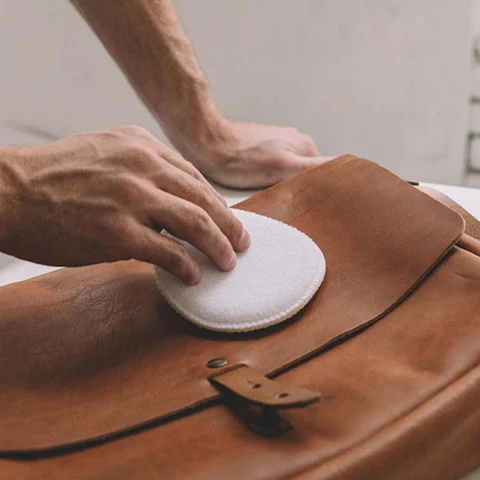
Leather needs moisture balance to stay flexible and smooth. Too little care can leave it dry, stiff, or prone to cracking. A small amount of leather conditioner, applied every few months, usually keeps fibers comfortable. Product labels matter, because some formulas darken lighter shades. Testing on a hidden area first gives a safer result. Thin layers absorb better than heavy coatings that attract grime.
Keep Water From Settling
Rain happens, and leather can handle light exposure if dried correctly. When moisture lands on the surface, blot it with a clean cloth right away. Rubbing spreads water and may disturb the finish. Afterward, the bag should air dry at room temperature. Radiators, hair dryers, and direct sun can cause stiffness. Slow drying supports a smoother texture and lowers the chance of warped panels.
Store It With Structure
Poor storage can undo careful maintenance. When the tote rests unused, it helps to fill the interior with clean tissue or soft fabric. That support keeps corners from collapsing. Dust bags offer another layer of protection against grime and light. Plastic covers are less helpful, because trapped moisture can affect the surface. Upright storage on a shelf usually protects straps better than hanging for long stretches.
Watch What Goes Inside
A tote often becomes a catch-all, which creates preventable damage. Sharp keys, leaking pens, snack wrappers, and makeup without caps can stain linings and scratch leather. Small pouches solve much of that trouble. Weight matters too. Overloading stresses rivets, handles, and base panels. If a bag feels heavy while lifting, that is usually a sign to remove a few items before the next trip.
Clean Stains With Restraint
Quick action matters, though aggressive cleaning can make a small problem worse. For fresh marks, a barely damp cloth often handles the issue. Harsh soap, bleach, and household sprays should stay far away from leather. Grease and dye transfer may need specialist treatment, especially on pale finishes. When a stain resists gentle care, professional cleaning is safer than repeated experiments that leave a larger patch.
Rotate Use Across the Week
Even strong leather benefits from rest. Carrying the same tote every day exposes one set of straps, corners, and panels to nonstop friction. Rotation reduces concentrated wear and allows minor moisture to evaporate between uses. For many of us, that also makes outfit planning easier. A second bag does not replace maintenance, yet it can extend the working life of a favorite tote in a practical way.
Conclusion
A lasting leather tote rarely depends on luck. Daily emptying, light cleaning, careful storage, and moderate conditioning all support better aging. Water control, sensible packing, and occasional rotation add extra protection without much effort. Those habits take minutes, yet they preserve comfort, structure, and finish across seasons. With steady attention, a well-made bag can remain useful and attractive for years, giving all of us more value from every carry.